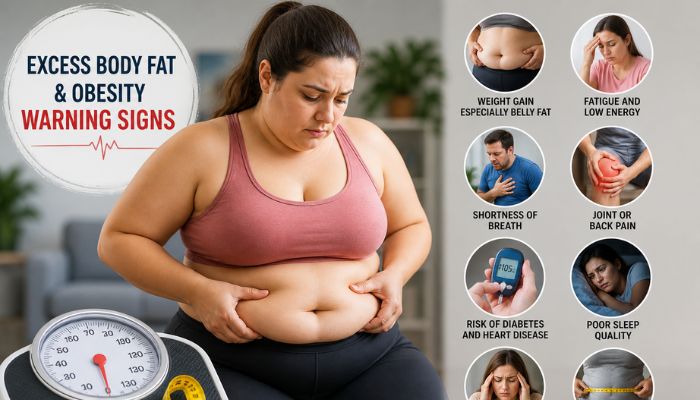
Excess body fat and obesity are becoming increasingly common in today’s fast-paced world. While a small amount of body fat is essential for normal body functions, too much of it can lead to serious health problems. The challenge is that many people don’t recognize the early warning signs until the condition begins to affect their daily life.
Understanding the warning signs of excess body fat and obesity can help you take action early and prevent long-term health complications. This article explores the key signals your body may be giving you and why they matter.
What Is Excess Body Fat and Obesity?
Excess body fat refers to the accumulation of fat beyond what is necessary for basic health. When this fat builds up to a level that affects health and daily functioning, it is considered obesity.
Obesity is not just about appearance—it is a medical condition that can increase the risk of various health issues, including heart problems, reduced mobility, and metabolic imbalance. Identifying the early signs is crucial for maintaining overall well-being.
Common Warning Signs to Watch For
One of the most noticeable signs is a steady increase in body weight, especially around the abdomen. Belly fat is often linked to higher health risks compared to fat stored in other areas of the body.
Another warning sign is feeling tired even after getting enough rest. Excess body fat can make everyday activities more exhausting, as the body has to work harder to perform simple tasks.
Shortness of breath during mild physical activity is also a common indicator. If walking short distances or climbing stairs leaves you unusually breathless, it may be a sign that your body is under strain.
Frequent joint or back pain can also be linked to excess weight. Extra body fat puts pressure on joints, especially in the knees and lower back, leading to discomfort over time.
Changes in Daily Life and Energy Levels
People with excess body fat often notice a decline in their overall energy levels. Tasks that once felt easy may start to feel difficult. This can lead to reduced physical activity, creating a cycle that further contributes to weight gain.
You may also find it harder to stay active for long periods. Fatigue can reduce motivation, making it more challenging to maintain a healthy routine.
Sleep disturbances are another common issue. Excess weight can interfere with sleep quality, leading to poor rest and increased tiredness during the day.
Impact on Physical Health
Excess body fat affects more than just energy levels—it can impact your overall physical health. Increased fat levels can disrupt the body’s natural balance, affecting metabolism and organ function.
High body fat levels are often associated with an increased risk of conditions such as Type 2 Diabetes and Heart Disease. These conditions develop gradually and can significantly affect quality of life if not managed early.
In addition, carrying extra weight can lead to reduced flexibility and mobility. This can make everyday movements more difficult and increase the risk of injury.
Emotional and Mental Warning Signs
The effects of excess body fat are not limited to physical health—they can also impact emotional well-being.
Some individuals may experience low confidence or reduced self-esteem due to changes in their body. This can affect social interactions and overall mental health.
Emotional eating is another factor to consider. Stress, boredom, or negative emotions can lead to overeating, which further contributes to weight gain. Recognizing these patterns is important for breaking the cycle.
Lifestyle Factors That Contribute to Excess Body Fat
Several lifestyle habits can contribute to the accumulation of excess body fat. A diet high in processed foods, sugar, and unhealthy fats can lead to weight gain over time.
Lack of physical activity is another major factor. A sedentary lifestyle reduces the number of calories burned, making it easier for fat to accumulate.
Poor sleep and high stress levels can also disrupt the body’s natural processes, leading to increased fat storage and difficulty maintaining a healthy weight.
When to Take Action
Recognizing the warning signs is the first step, but taking action is what truly makes a difference. If you notice consistent weight gain, low energy levels, or difficulty performing daily activities, it may be time to reassess your lifestyle.
Small changes can have a big impact. Incorporating regular physical activity, improving your diet, and managing stress can help you regain control of your health.
It’s also important to set realistic goals. Quick fixes may not provide lasting results, but consistent efforts can lead to long-term improvements.
Watch the video below to understand how obesity affects the body.
Final Thoughts
Excess body fat and obesity are serious health concerns, but they often develop gradually, making them easy to overlook. Paying attention to early warning signs such as weight gain, fatigue, and reduced mobility can help you take action before the condition worsens.
By making mindful lifestyle choices and staying consistent, you can improve your health and reduce the risks associated with excess body fat. Remember, your body often gives you signals—listening to them is the key to maintaining a healthy and balanced life.